
What is Media Decor?
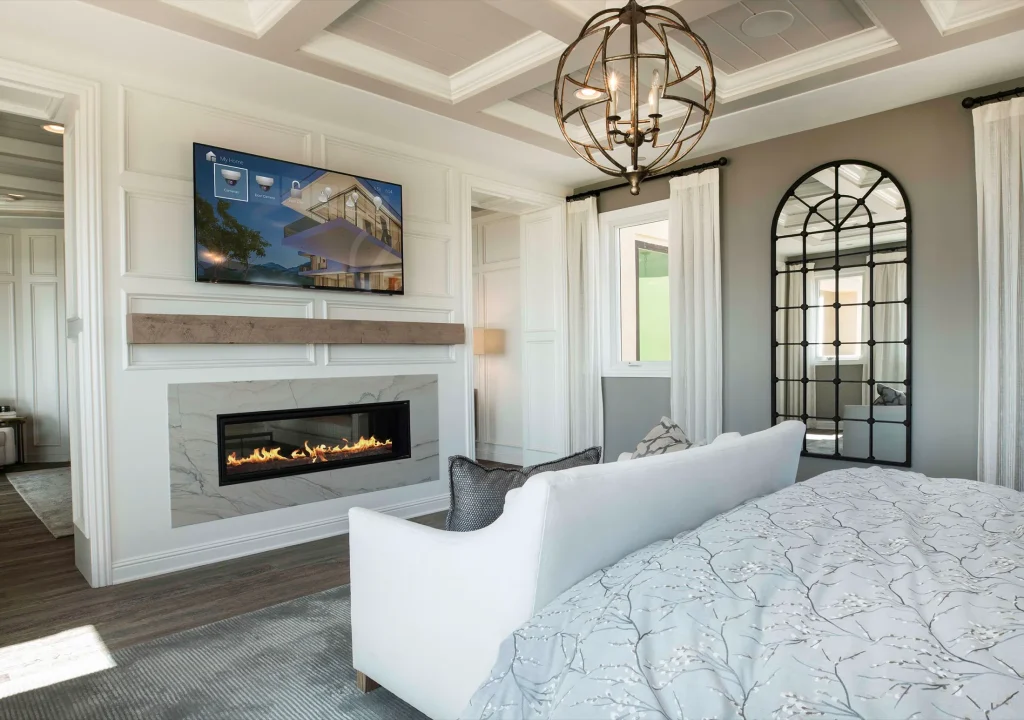
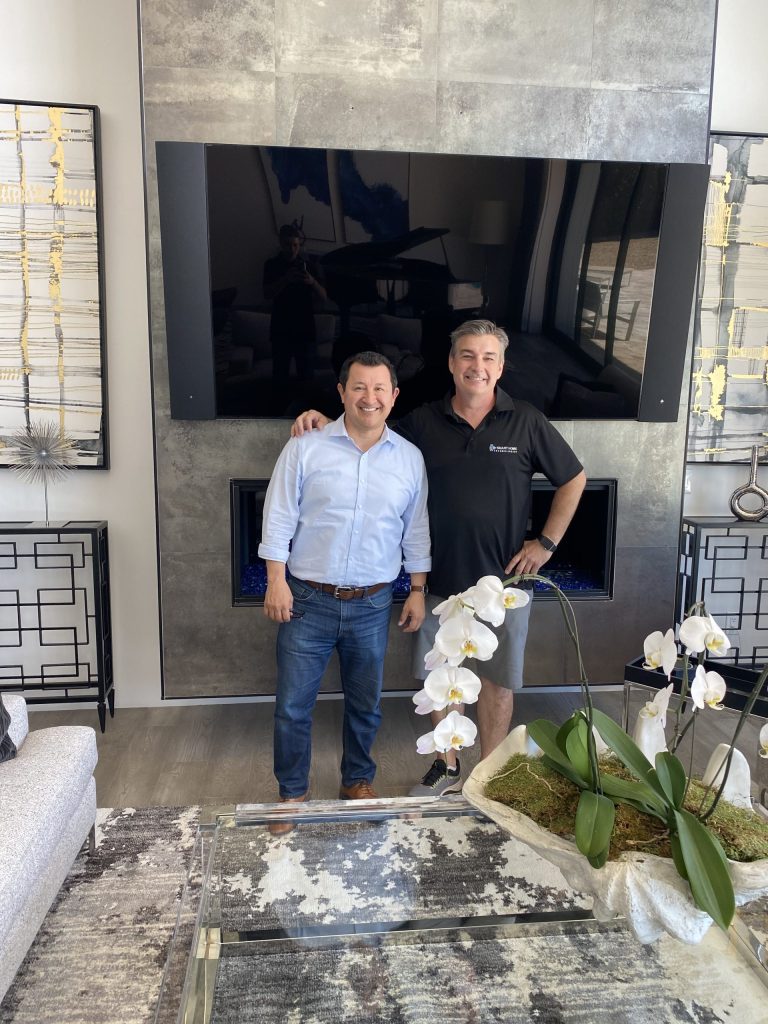
Media Decor is the deliberate use of artwork, framing, furniture, finishes, panels, and architectural composition to integrate entertainment technology into a room’s visual design.
How Media Decor works in a connected system
Media decor treats the display wall, speakers, controls, and storage as parts of the interior rather than isolated electronics. Solutions can include framed displays, art covers, integrated millwork, coordinated grilles, decorative acoustic treatments, floating consoles, or panels that establish visual hierarchy. A successful composition still respects viewing height, screen reflections, speaker paths, ventilation, cable access, and equipment replacement. Decorative elements should not cover sensors, block sound, or trap heat. Scale matters: a television that appears balanced in an elevation can feel oversized or undersized once furniture and viewing distance are considered. Material samples and realistic screen mockups help owners and designers judge both the active media state and the quieter off-state.
Why Media Decor matters in Scottsdale projects
Media decor in a Scottsdale, Arizona home often must coordinate natural stone, warm wood, glass, and expansive views with functional AV. Those materials can reflect sound and light or complicate access. Decorative coordination should occur before substrates and millwork are finalized, especially when seams need to align across trades.
Planning and installation considerations
- Review the room’s focal points, furniture, art, viewing distance, off-state appearance, screen proportions, speaker visibility, controls, storage, and lighting as one composition.
- Coordinate materials, seams, tolerances, acoustical openness, ventilation, sensor paths, power, wiring, attachment, finish transitions, and removable service elements.
- Use elevations, renderings, full-scale templates, and representative finish samples to approve active and inactive states before fabrication or field cutting.
A common point of confusion
Media decor is not achieved by surrounding a television with attractive objects after installation. The visual composition and technical requirements must be developed together, or decoration can introduce glare, block speakers, restrict cooling, or eliminate service access.
Frequently asked questions
Can acoustic treatment be part of media decor?
Yes. Fabric-wrapped panels, slatted systems, printed absorbers, or other tested products can contribute visually and acoustically. Placement, thickness, mounting, fire-performance documentation where required, and actual acoustic data should guide selection rather than appearance alone.
Should a media wall be designed around the current TV?
It should fit the selected display while allowing realistic replacement tolerances where possible. Nominal screen size does not standardize outer dimensions, mount points, vents, connectors, or sensor locations, so an overly precise recess can restrict future choices.
About this definition
Camelback Smart Homes publishes this glossary for homeowners, design professionals, builders and business teams comparing integrated technology. We separate general concepts from project-specific recommendations and check changing product or protocol details against first-party documentation when appropriate.
Actual system requirements depend on construction, wiring, network conditions, equipment versions, environmental exposure and the goals of the people using the space.