
What is Hidden TV?
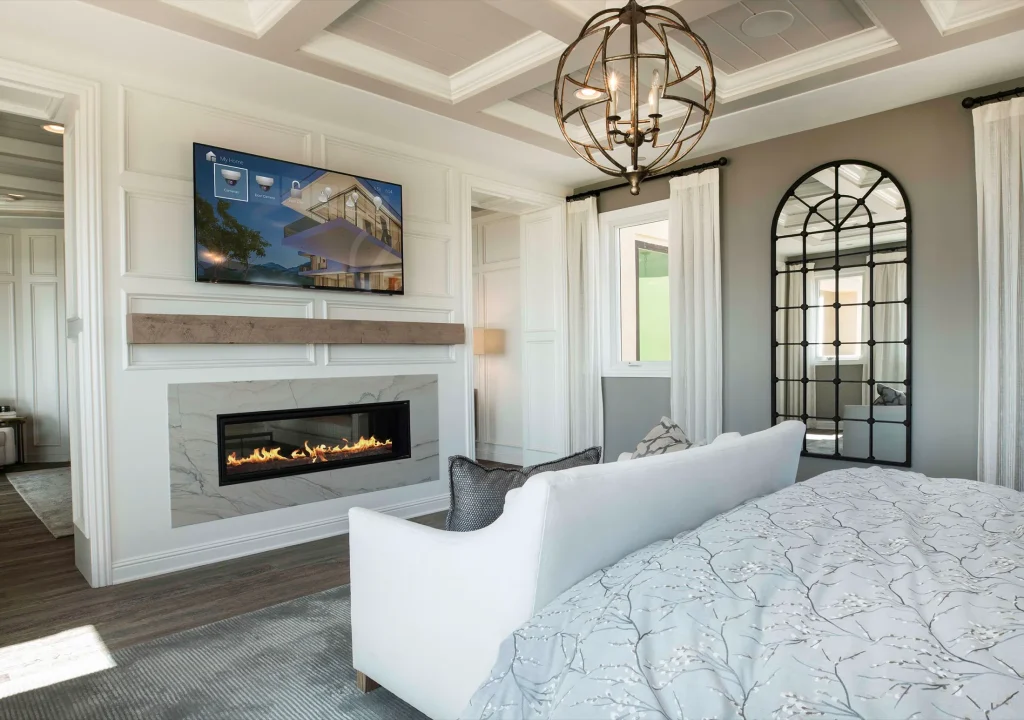
Hidden TV is a television whose normal resting position or visual treatment prevents the dark screen and associated hardware from remaining a dominant room feature.
How Hidden TV works in a connected system
Hidden TV describes the design goal, while the mechanism can vary. A display may descend from a ceiling, rise from furniture, move behind a panel, sit beneath artwork, appear through specialty mirror material, or blend into a planned media wall. Each approach affects viewing height, screen size, installation depth, movement time, noise, reliability, and replacement. Designers should first ask when the screen will be used and what the room should look like when it is off. A rarely used formal room may justify full concealment; an everyday family area may benefit from a visually integrated display that remains immediately available. Image quality, sound, controls, ventilation, and service access should remain equal participants in the aesthetic decision.
Why Hidden TV matters in Scottsdale projects
A hidden TV in a Scottsdale, Arizona home must look intentional both when concealed and when in use. Large windows, fireplaces, stone finishes, and indoor-outdoor views can narrow suitable locations. A site-specific plan should balance the off-state appearance with seated sightlines and daytime reflections.
Planning and installation considerations
- Prioritize off-state appearance, frequency of use, start-up time, viewing height, sightlines, screen size, image quality, sound, and acceptable mechanical movement.
- Coordinate structural support, recess depth, power, signal, control, ventilation, moving-cable management, obstructions, finishes, and service or emergency access.
- Review a physical mockup or detailed elevation showing both hidden and viewing states, including furniture, artwork, fireplace, shades, and replacement clearances.
A common point of confusion
A hidden TV is not automatically invisible or compromise-free. Reveals, seams, mirror tint, furniture depth, lift noise, movement time, and service panels may remain perceptible. The right solution makes those details intentional rather than pretending they do not exist.
Frequently asked questions
Is a TV lift the best way to hide a television?
It is one option. Art covers, sliding panels, mirror displays, ceiling mechanisms, and integrated media walls solve different spatial and aesthetic problems. Furniture depth, structure, sightlines, noise, speed, service, and budget guide the choice.
Can hidden TVs work with surround sound?
Yes, when speaker placement, display position, center-image relationship, control timing, and cable paths are coordinated. A moving screen can change where sound appears to originate, so both hidden and viewing states need to be considered during audio design.
About this definition
Camelback Smart Homes publishes this glossary for homeowners, design professionals, builders and business teams comparing integrated technology. We separate general concepts from project-specific recommendations and check changing product or protocol details against first-party documentation when appropriate.
Actual system requirements depend on construction, wiring, network conditions, equipment versions, environmental exposure and the goals of the people using the space.