

Direct answer
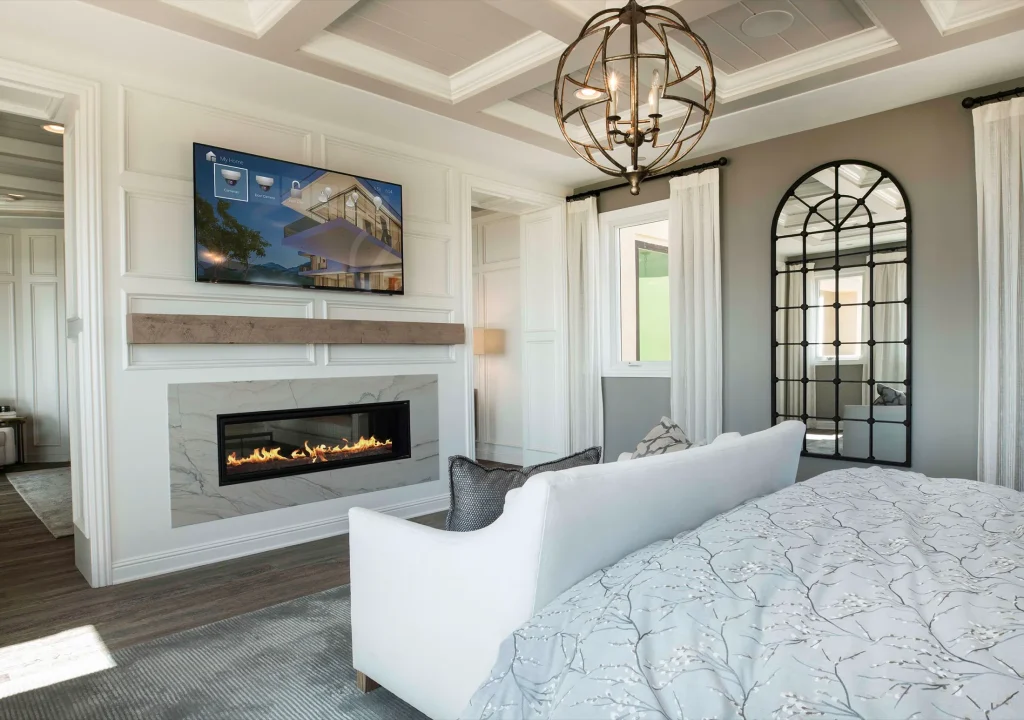
Distributed video routes one or more centralized sources to televisions, projectors, or other displays around a home. A matrix or another engineered distribution platform determines which source reaches each display, while extenders and structured cabling carry signals over distance. This can keep cable boxes, media players, and other components in a ventilated rack instead of beneath every television, reduce visual clutter, and simplify control.
It is not the only valid architecture. Local streaming devices remain useful and can reduce dependence on a central core. The design should follow source-sharing needs, image formats, network and cabling capacity, control preferences, and failure tolerance. Camelback's distributed-video page describes centralized cable, satellite, movie, and streaming sources routed to one or many rooms.
Sources and technical references
Use the organizations responsible for a product, platform or standard to confirm current specifications and compatibility.
How this answer was prepared
Camelback Smart Homes publishes this FAQ library for homeowners, design professionals, builders and property teams comparing integrated technology. Answers begin with the practical conclusion, then explain the factors that can change it.
Limitations: This is general educational information, not a site-specific design, quote, code determination or compatibility guarantee. Final requirements depend on the property, construction, infrastructure, equipment versions and project goals.