
What is Mood Lighting?
Mood Lighting is a deliberately composed lighting condition that uses intensity, color quality, fixture groups, focus, and transitions to support a desired atmosphere or activity.
How Mood Lighting works in a connected system
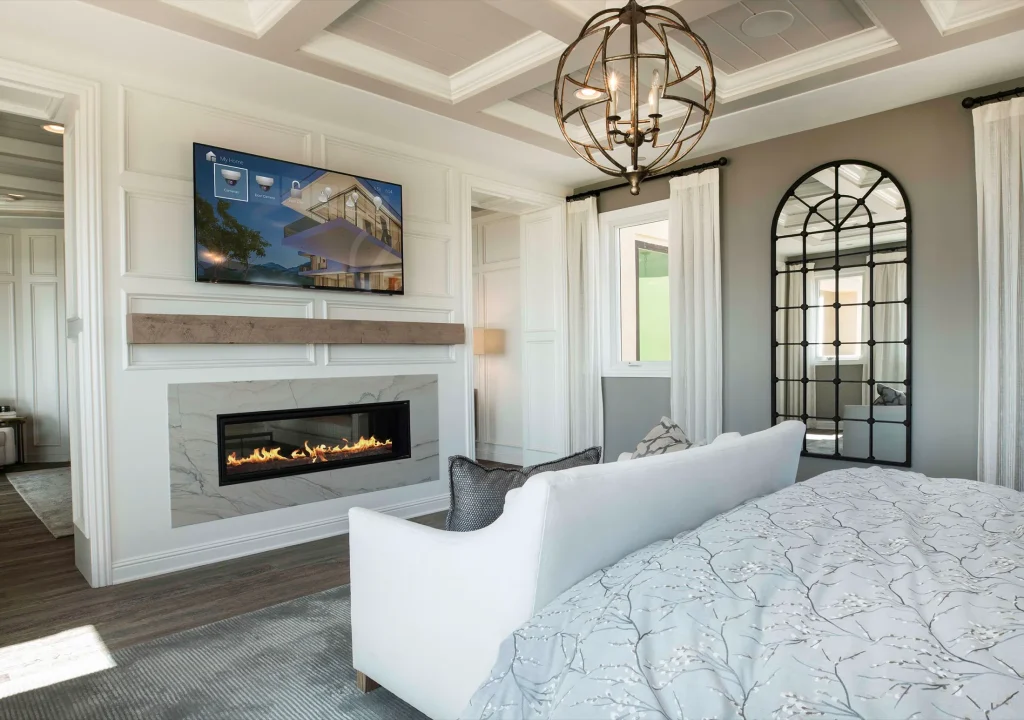
Mood lighting guides attention and changes the perceived warmth, depth, and energy of a hospitality space. It can combine decorative fixtures, architectural layers, task light, display accents, and controlled daylight. Effective scenes preserve safe staff visibility and accurate presentation of food while reducing glare on screens and avoiding abrupt contrast between adjacent areas. Dimming compatibility is critical: fixtures, lamps, drivers, and controls must work together across the intended range without flicker, dropout, or inconsistent low-end behavior. A lighting scene stores coordinated levels or other supported parameters, but commissioning under real evening and daytime conditions determines whether the result feels intentional.
Why Mood Lighting matters in Scottsdale projects
Mood lighting in Scottsdale, Arizona hospitality spaces must adapt as intense daylight gives way to evening use. Shades, electric light, and display brightness may need coordinated transitions, especially when exterior dining remains active after sunset. The goal is not to imitate nighttime at noon, but to preserve visual comfort as natural conditions change.
Planning and installation considerations
- Identify task, decorative, architectural, and display-related lighting layers, then define the visual priority and acceptable range for each operating scene.
- Verify lamp, driver, fixture, dimmer, and control compatibility with representative samples before committing an entire venue to one combination.
- Commission daytime, evening, event, cleaning, and closing scenes in the finished space while checking glare, staff visibility, and transition timing.
A common point of confusion
Mood lighting does not mean making every area dark. Excessive dimming can reduce menu readability, staff visibility, food presentation, and visual comfort. A successful scene balances atmosphere with the tasks and people the room must support.
Frequently asked questions
Can mood lighting use color-changing fixtures?
It can when color supports the design intent and the chosen fixtures provide appropriate output, rendering, control, and low-level performance. Tunable or colored light should be evaluated on actual surfaces because camera images and product specifications may not predict the finished appearance.
Why do some lights flicker when dimmed?
The fixture, driver, lamp, dimming method, control, wiring conditions, or minimum load may be incompatible. Flicker can also vary across the dimming range. Testing the exact combination and following manufacturer guidance is more reliable than assuming every dimmable label works alike.
About this definition
Camelback Smart Homes publishes this glossary for homeowners, design professionals, builders and business teams comparing integrated technology. We separate general concepts from project-specific recommendations and check changing product or protocol details against first-party documentation when appropriate.
Actual system requirements depend on construction, wiring, network conditions, equipment versions, environmental exposure and the goals of the people using the space.