
What is Ambiance?
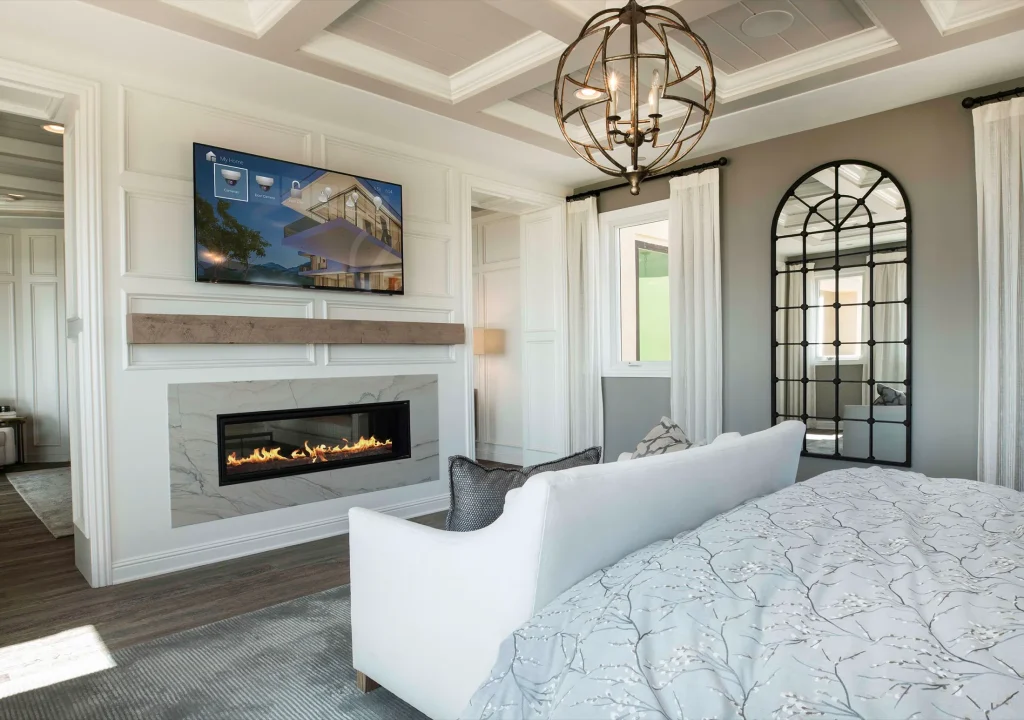
Ambiance is the overall sensory character of a space created by the interaction of lighting, sound, visual content, architecture, furnishings, temperature, and activity.
How Ambiance works in a connected system
In hospitality design, ambiance is an outcome rather than a single product. Music selection and level influence energy; lighting affects color, intimacy, and visual focus; displays can support an event or become a distraction. These elements change with daylight, occupancy, service period, and the purpose of each area. Integrated controls can recall coordinated starting points for lunch, dinner, cleaning, private events, or game day, but those scenes should be based on deliberate design decisions. Speaker coverage, dimming performance, screen placement, glare, acoustics, and staff adjustment ranges all shape whether the space feels coherent instead of technologically busy.
Why Ambiance matters in Scottsdale projects
Hospitality ambiance in Scottsdale and nearby Arizona communities often changes as intense daylight gives way to evening use. Glazing, courtyards, and patios can connect areas visually and acoustically. Lighting and AV scenes should transition comfortably without forcing exterior and interior spaces into identical settings.
Planning and installation considerations
- Define the intended mood, activity level, visual priorities, music role, and acceptable staff adjustments for each service period and event type.
- Evaluate daylight, surface reflectance, room acoustics, speaker visibility, display prominence, and cross-zone spill as parts of one guest experience.
- Create a small set of named scenes with clear purposes, then commission transition timing and levels under realistic occupied conditions.
A common point of confusion
Ambiance cannot be purchased as a preset package. A scene can coordinate supported devices, but it cannot correct uncomfortable acoustics, poor speaker placement, visible glare, unsuitable fixtures, or content that conflicts with the venue’s identity.
Frequently asked questions
How does AV affect restaurant ambiance?
Sound level, tonal balance, screen brightness, content choice, speaker visibility, and control transitions all influence how a room feels. AV should reinforce the desired pace and focus while allowing conversation and architecture to remain central where appropriate.
Can ambiance change automatically through the day?
Scheduled scenes can provide useful starting points when supported, especially for lighting and music. Staff should retain bounded adjustments for weather, occupancy, special events, or a delayed service period. Automation works best when it responds to operations instead of overriding them.
About this definition
Camelback Smart Homes publishes this glossary for homeowners, design professionals, builders and business teams comparing integrated technology. We separate general concepts from project-specific recommendations and check changing product or protocol details against first-party documentation when appropriate.
Actual system requirements depend on construction, wiring, network conditions, equipment versions, environmental exposure and the goals of the people using the space.