
What is Media Room?
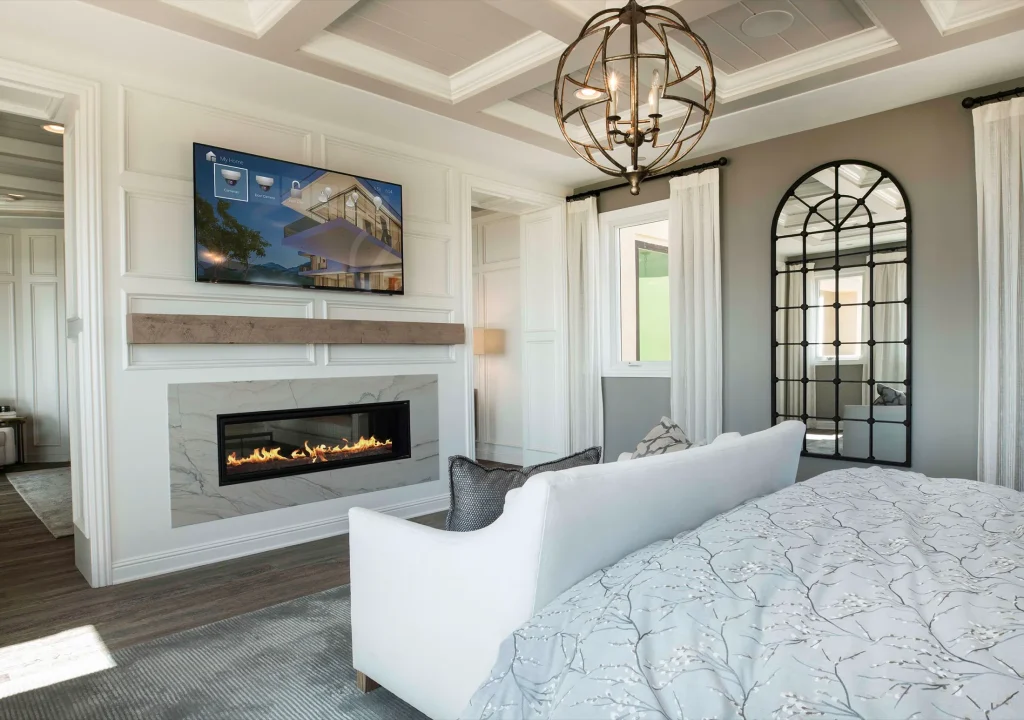
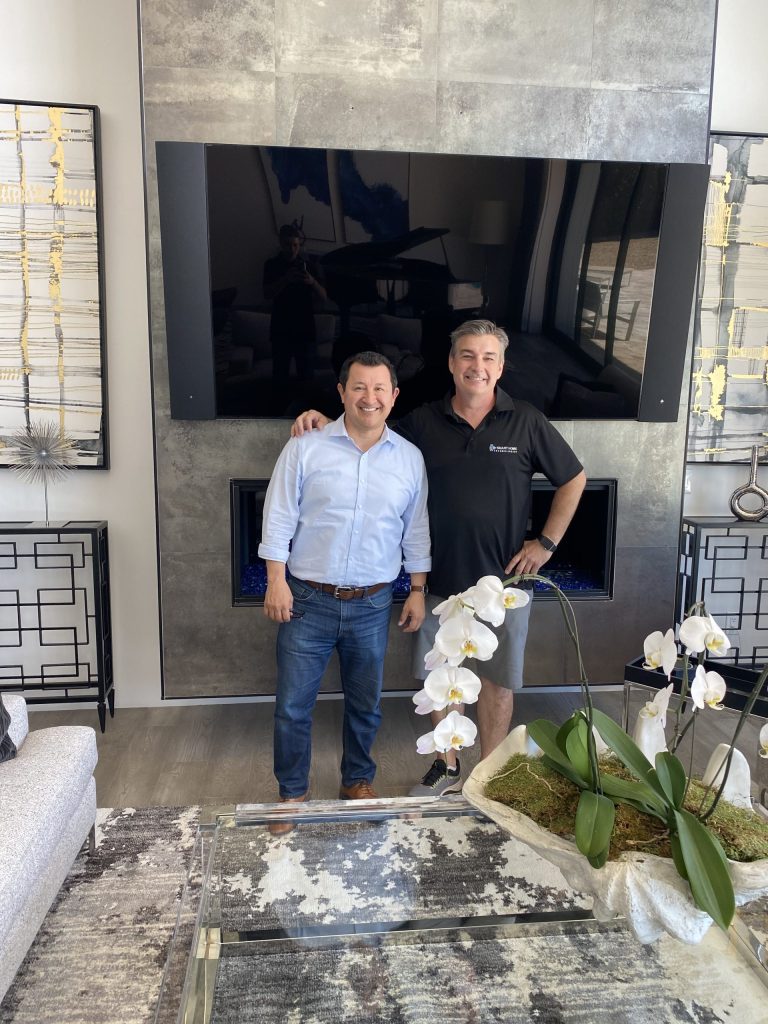
Media Room is a shared living or recreation space intentionally equipped for movies, television, sports, gaming, and music without being reserved exclusively for cinema use.
How Media Room works in a connected system
A media room balances entertainment performance with the room’s other responsibilities. Its display, speakers, sources, network connections, lighting, shades, seating, and controls must work for both focused viewing and normal conversation or movement. Unlike a dedicated theater, daylight, open doorways, varied seating, and visible décor usually remain part of the design. The display may be a television, projector, or concealed combination. Audio may range from a soundbar to a calibrated surround system. Successful planning starts with viewing positions and everyday routines, then coordinates wiring, ventilation, furniture, acoustics, and an interface that does not require the user to rebuild the room for each activity.
Why Media Room matters in Scottsdale projects
In a Scottsdale, Arizona home, a media room often serves as an everyday gathering place rather than a dedicated theater. Strong Arizona daylight and connections to patios can affect screen choice, glare, shade control, and speaker coverage. A media-room plan should acknowledge those conditions instead of copying a windowless theater specification into a bright, flexible room.
Planning and installation considerations
- List the room’s non-entertainment uses and preserve circulation, conversation, and furniture flexibility while defining the main viewing positions.
- Evaluate daylight, reflections, viewing angles, ambient noise, and adjacent spaces before selecting display and audio formats.
- Coordinate power, network, low-voltage wiring, ventilation, shades, lighting, cabinetry, and control while finishes remain practical to change.
A common point of confusion
A media room is not a lesser home theater. It solves a different problem: delivering satisfying entertainment in a room that must remain comfortable and useful for other daily activities, often with more light and less acoustic isolation.
Frequently asked questions
Can a media room have surround sound?
Yes. A media room can support anything from two-channel audio to immersive surround, provided speaker locations, seating, wiring, room boundaries, and aesthetics are coordinated. The layout may involve architectural speakers or other compromises that preserve everyday use while maintaining coherent sound.
Is a television or projector better for a media room?
Neither is universally better. A television often handles ambient light and quick casual use well, while projection can provide a much larger image and concealment options. Screen size, light control, seating distance, room appearance, installation depth, and desired simplicity guide the choice.
About this definition
Camelback Smart Homes publishes this glossary for homeowners, design professionals, builders and business teams comparing integrated technology. We separate general concepts from project-specific recommendations and check changing product or protocol details against first-party documentation when appropriate.
Actual system requirements depend on construction, wiring, network conditions, equipment versions, environmental exposure and the goals of the people using the space.