
What is Big-Screen TV?
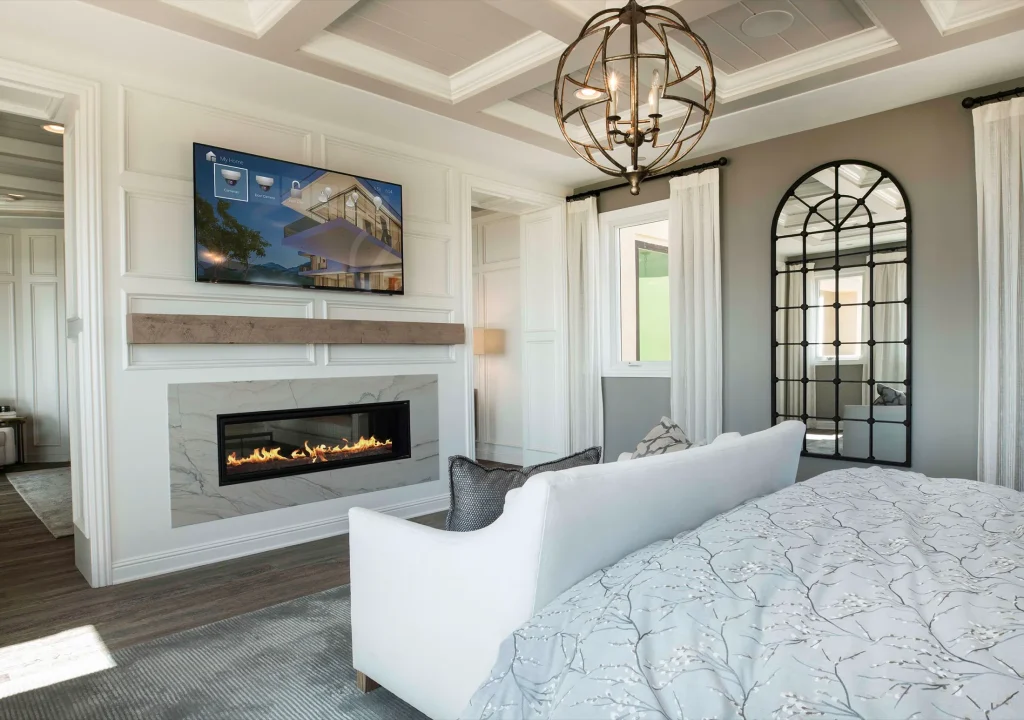
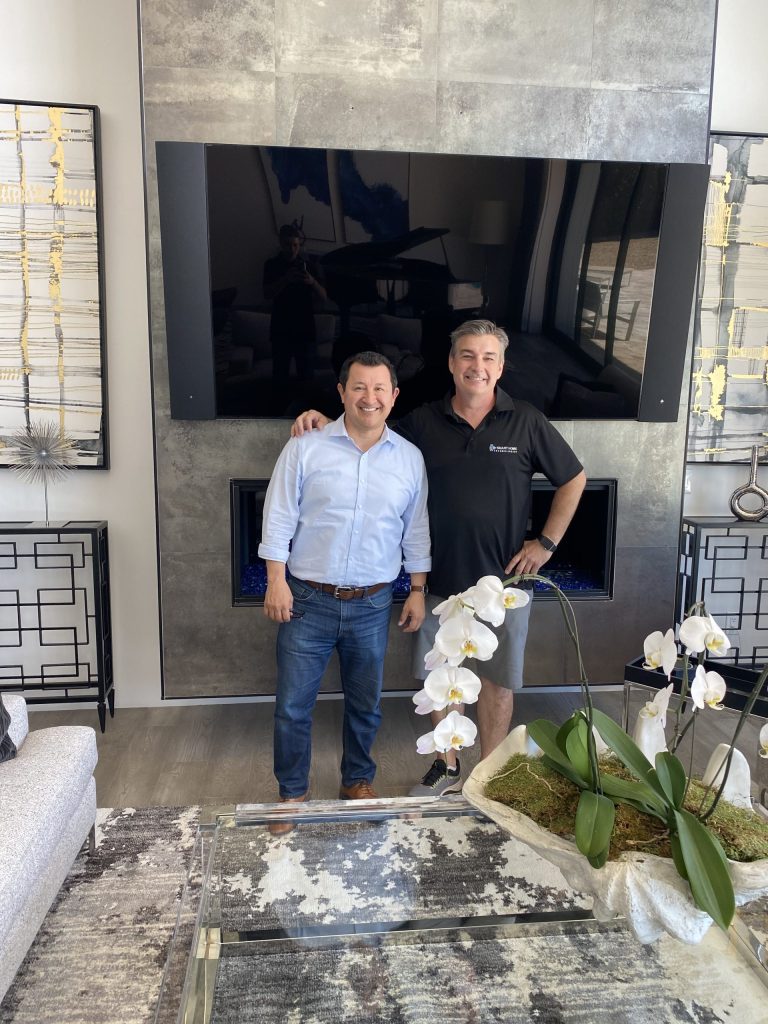
Big-Screen TV is a large-format direct-view television selected to create an immersive image from the room’s intended seats while remaining practical for the available wall, light, mounting, wiring, and viewing geometry.
How Big-Screen TV works in a connected system
Big-screen is a relative description, not a fixed technical category. The useful size depends on seating distance, content resolution, room width, visual acuity, preferred field of view, and whether viewers watch casually or intently. The display also needs appropriate brightness, reflection handling, off-axis performance, and motion reproduction for the room. Mounting must account for structure, device weight, service access, ventilation, cable bends, power, and the height of the image center. Sound should be planned at the same time because a larger screen can leave little space for a center speaker or soundbar. Delivery access and safe handling matter before the model arrives.
Why Big-Screen TV matters in Scottsdale projects
In Scottsdale homes, broad windows and bright Arizona days can make reflection control as important as screen size when choosing a big-screen TV. A large television may suit a multipurpose room that cannot be fully darkened, but its finish and position should be evaluated in the real space. Motorized shades and lighting scenes can improve consistency without pretending every viewing session occurs in darkness.
Planning and installation considerations
- Choose size from viewing distance, field of view, room proportions, and content habits rather than selecting the largest panel that fits the wall.
- Verify wall structure, mount rating, delivery path, power, cable access, ventilation, and a safe service method for the exact model.
- Coordinate speaker or soundbar placement so screen height and audio quality do not force each other into poor positions.
A common point of confusion
Sitting close to a large 4K television is not automatically harmful or visibly pixelated. Comfort depends on field of view, content quality, image settings, viewer preference, and motion; a scale drawing or temporary mockup is more useful than an old universal distance rule.
Frequently asked questions
How high should a big-screen television be mounted?
The height should support comfortable viewing from the primary seats, usually keeping the image from forcing prolonged upward head tilt. Furniture, speaker placement, room use, reclining positions, fireplaces, and architectural constraints affect the result. Mocking up the screen outline is a practical check.
Is a big-screen TV better than a projector?
It can be better for high ambient light, quick startup, contrast, and a simpler installation. Projection can provide a larger image and more concealment flexibility. Desired size, daylight, room depth, screen wall, aesthetics, maintenance, and budget priorities determine which is appropriate.
About this definition
Camelback Smart Homes publishes this glossary for homeowners, design professionals, builders and business teams comparing integrated technology. We separate general concepts from project-specific recommendations and check changing product or protocol details against first-party documentation when appropriate.
Actual system requirements depend on construction, wiring, network conditions, equipment versions, environmental exposure and the goals of the people using the space.