
What is High-Brightness Display?
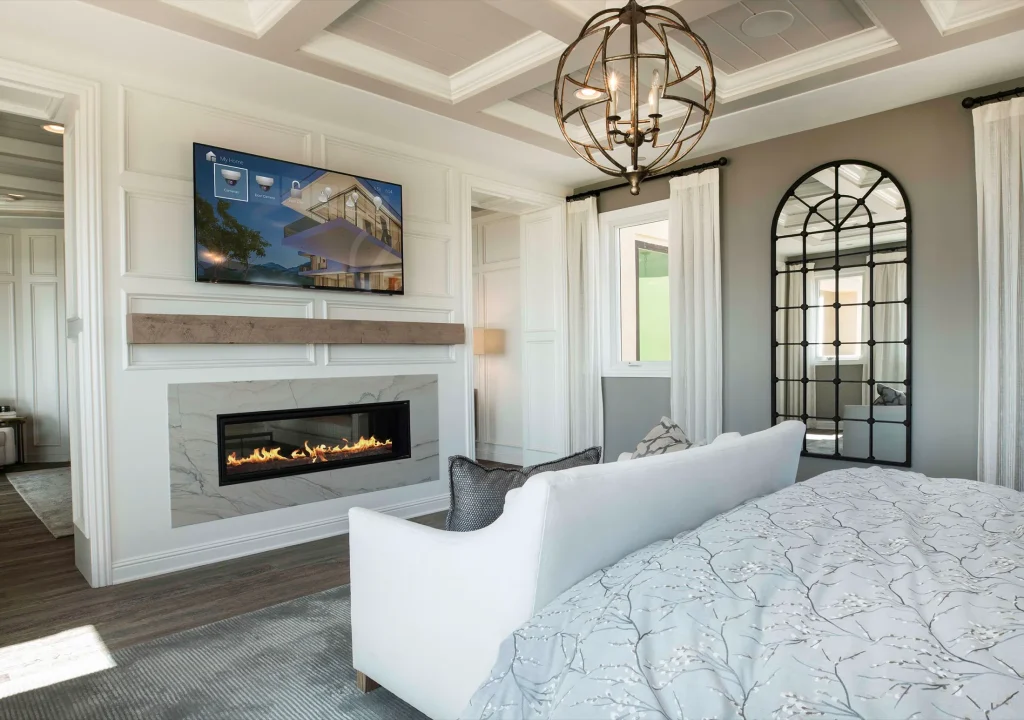
High-Brightness Display is a screen designed to produce elevated luminance for improved visibility in strong ambient light, window-facing, outdoor, or other demanding viewing conditions.
How High-Brightness Display works in a connected system
High-brightness displays increase image output to compete with environmental light, but luminance is only part of visibility. Surface reflections, contrast, content design, viewing angle, glazing, sun direction, automatic brightness control, and thermal behavior all matter. A screen rated for a bright indoor window is not automatically an outdoor display, and direct-sun capability must be confirmed for the exact model. Higher output can increase power use and heat, so ventilation and enclosure design remain important. Content should use clear hierarchy and contrast rather than expecting brightness to rescue small text or low-contrast artwork. Nighttime dimming may also be needed for comfort and appropriate visual intensity.
Why High-Brightness Display matters in Scottsdale projects
A high-brightness display in Scottsdale, Arizona may face intense desert sunlight, large glass areas, or exterior viewing conditions. Site measurements and sun-path observations help distinguish general high ambient light from direct solar exposure. Shading, screen orientation, and reflection control may improve results without relying solely on maximum output.
Planning and installation considerations
- Measure or observe ambient conditions across operating hours, including direct sun, reflections, viewing angle, glazing, and nighttime requirements.
- Compare exact luminance, surface finish, thermal range, orientation, duty cycle, dimming behavior, environmental rating, and manufacturer placement guidance.
- Coordinate ventilation, power, mounting, shade strategy, player placement, content contrast, brightness scheduling, and safe access for cleaning or service.
A common point of confusion
A higher brightness specification does not make every image readable in direct sun. Reflected light, screen surface, content contrast, viewing geometry, heat, and actual solar exposure can still dominate the result, and maximum output may be uncomfortable after dark.
Frequently asked questions
Are nits the only measure that matters?
No. Nits describe luminance, while perceived visibility also depends on black level, reflections, ambient light, contrast, color, content design, and viewing angle. Compare the complete installed condition rather than ranking screens by one peak value.
Can a high-brightness display run at maximum all day?
That depends on the model's operating guidance, thermal conditions, picture settings, duty cycle, and content. Automatic or scheduled brightness may reduce unnecessary output. The installation should remain within published limits and be checked under the hottest realistic condition.
About this definition
Camelback Smart Homes publishes this glossary for homeowners, design professionals, builders and business teams comparing integrated technology. We separate general concepts from project-specific recommendations and check changing product or protocol details against first-party documentation when appropriate.
Actual system requirements depend on construction, wiring, network conditions, equipment versions, environmental exposure and the goals of the people using the space.