
What is Open/Close Scene?
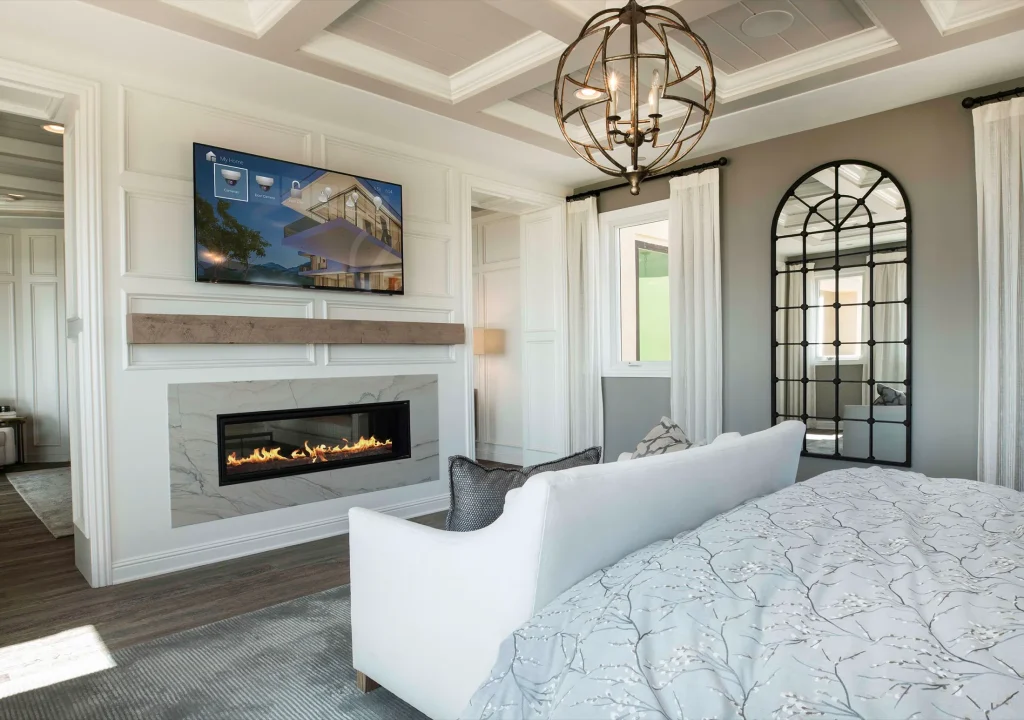
Open/Close Scene is a programmed business routine that places supported systems into approved beginning-of-day or end-of-day states. It may coordinate selected lighting, AV, signage, music, shades, climate requests, displays, and status checks while leaving safety-critical decisions to appropriate systems and staff.
How Open/Close Scene works in a connected system
An opening scene can prepare public zones, start approved displays, set music levels, and report devices that did not respond. A closing scene can stop media, reduce decorative lighting, return controls to a known state, and flag exceptions. The routine should never conceal whether a consequential action actually succeeded. Door locking, security arming, fire or life-safety functions, kitchen equipment, and other critical operations need explicit authority, supported interfaces, confirmation, and often separate procedures. Holiday schedules, early arrivals, late events, cleaners, maintenance, and partial-area operation require exceptions. Logs and feedback make the scene auditable rather than magical.
Why Open/Close Scene matters in Scottsdale projects
A Scottsdale venue may vary its operating hours across Arizona seasons, events, holidays, and outdoor-use periods. Open and close routines should reference the organization’s approved schedule and staffing, not a generic sunset time or assumption that every zone follows the same day.
Planning and installation considerations
- Write every action, prerequisite, confirmation, exception, owner, timeout, failure message, manual alternative, and audit need before programming the routine.
- Separate convenience steps from security, access, life-safety, equipment-safety, and regulatory procedures that require specialized authority or human verification.
- Rehearse normal, early, late, holiday, event, cleaning, partial closure, device failure, controller restart, and interrupted-sequence cases with responsible staff.
A common point of confusion
A close scene is not proof that the building is secure or every device is safe. It can request supported states and report feedback, but authorized staff and dedicated systems remain responsible for verification.
Frequently asked questions
Can an open scene run automatically every morning?
It can, but holidays, closures, maintenance, occupancy, and unexpected hours require exceptions. Some organizations prefer a scheduled readiness check followed by an intentional staff confirmation for public-facing actions.
What if one device does not respond during closing?
The interface should identify the exception, preserve safe operation, and route a useful alert or task to the responsible role. Silent continuation can leave staff believing a requested state was achieved.
About this definition
Camelback Smart Homes publishes this glossary for homeowners, design professionals, builders and business teams comparing integrated technology. We separate general concepts from project-specific recommendations and check changing product or protocol details against first-party documentation when appropriate.
Actual system requirements depend on construction, wiring, network conditions, equipment versions, environmental exposure and the goals of the people using the space.