
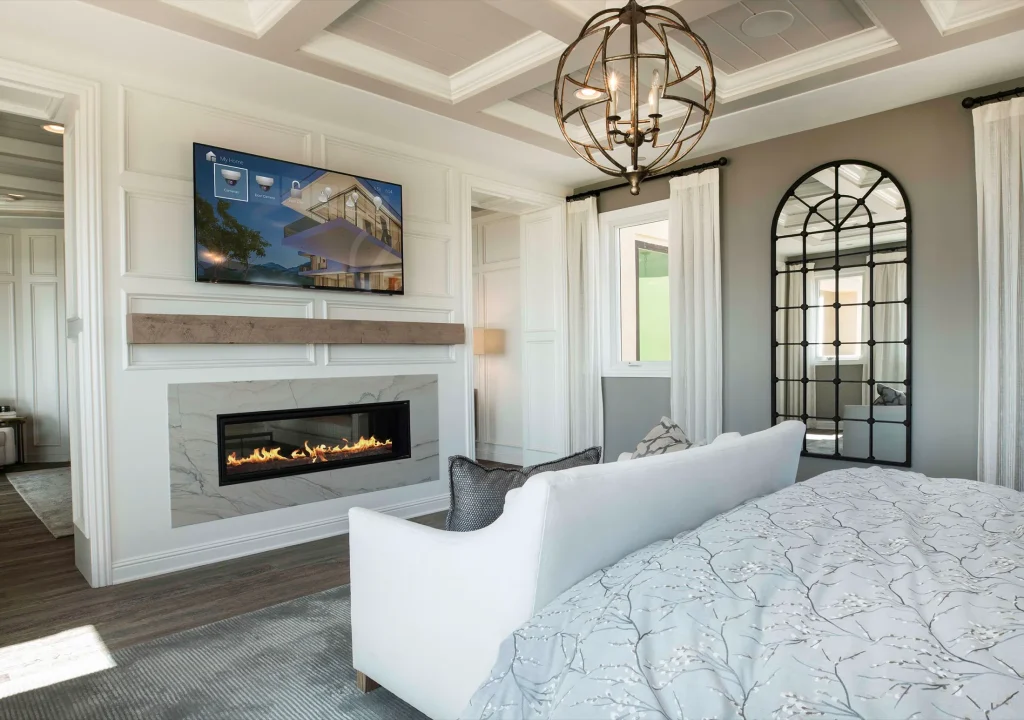

What is Display?
Display is the visual endpoint of a video system, such as a television, monitor, projection system, or direct-view video wall that turns an incoming signal into a viewable image.
How Display works in a connected system
Display is a broad functional term rather than one panel technology. A direct-view television creates the picture at its own surface, while projection combines a projector and screen to form the visible result. Selection begins with image size, seating distance, room light, viewing angles, content, and desired installation appearance. The signal path must also deliver compatible resolution, frame rate, color format, high dynamic range, and copy protection. Brightness, black level, reflection handling, motion, color accuracy, processing delay, mounting, ventilation, power, cable access, and control all affect the finished experience. Comparing display technologies is useful only after those room and usage requirements are understood.
Why Display matters in Scottsdale projects
A display in a bright Scottsdale, Arizona residence must contend with large windows and indoor-outdoor floor plans that may challenge a model that looked excellent in a dark showroom. The screen surface, orientation, shade strategy, and viewing schedule should be evaluated in the actual room. These conditions make a site-specific display recommendation more useful than relying on a showroom specification alone.
Planning and installation considerations
- Document primary and secondary seats, viewing distance, screen wall, daylight direction, reflections, and the times the display will be used most.
- Verify every source, cable, switch, extender, processor, and audio device supports the desired video format through the complete signal path.
- Coordinate structure, mount or projector geometry, power, ventilation, speaker placement, concealment, control, and future service access.
A common point of confusion
A display’s specification sheet cannot predict performance by itself. Panel or projection technology, screen size, room light, processing, settings, content quality, seating, and installation all interact, so the largest headline number is rarely the whole decision.
Frequently asked questions
Is a projector considered a display?
In system planning, the projector and projection screen together perform the display function. The projector creates and directs light, while the screen returns that light toward viewers. Their geometry, brightness, surface characteristics, room conditions, and calibration must be evaluated together.
What display is best for a bright room?
The answer depends on image size, direct reflections, window position, shade control, seating, and desired use. Bright direct-view televisions often perform well in ambient light, while specialized projection designs can work when the room, projector, and screen are carefully matched.
About this definition
Camelback Smart Homes publishes this glossary for homeowners, design professionals, builders and business teams comparing integrated technology. We separate general concepts from project-specific recommendations and check changing product or protocol details against first-party documentation when appropriate.
Actual system requirements depend on construction, wiring, network conditions, equipment versions, environmental exposure and the goals of the people using the space.